

Introduction
Professional shoplifters often plan their actions before entering a store. They do not usually steal at random. Instead, they look for stores where security is weak and the risk of getting caught is low. Understanding how they choose targets can help retailers improve security and reduce theft.
Looking for Easy Opportunities
Professional shoplifters usually search for easy opportunities. They pay attention to store entrances, exits, employee locations, and customer traffic. If employees are busy or distracted, they may see a better chance to steal.
Stores with poor visibility are often more attractive to thieves.
Watching Employee Behavior
Many shoplifters observe employees before taking any action. They notice whether staff greet customers, walk through the store, or stay behind the checkout counter.
Active employees make theft more difficult because they increase the chance of being noticed.
Choosing Valuable Products
Professional thieves often target products that are expensive, small, and easy to hide. Electronics, cosmetics, health products, and designer clothing are common choices because they can be sold quickly.
Items placed near exits may also become targets if security is limited.
Checking Store Security
Before stealing, criminals often look for cameras, security tags, mirrors, and alarm systems. Strong security may encourage them to leave and search for an easier target.
Visible security equipment can discourage theft even if it is never used.
Using Busy Shopping Times
Crowded stores create more distractions. During holidays or weekend sales, employees may focus on helping customers instead of watching for suspicious activity.
Some shoplifters use these busy periods because they believe they are less likely to be noticed.
How Stores Can Respond
Retailers can reduce theft by training employees to greet customers and remain visible throughout the store. Security cameras, electronic tags, and good lighting also help reduce opportunities.
Regular security checks allow businesses to find weak areas before criminals do.
The Importance of Store Layout
A well-designed store makes it easier for employees to observe customers. Wide aisles, clear sight lines, and organized displays reduce hiding places and improve visibility.
Products with high value should be placed where staff can easily monitor them.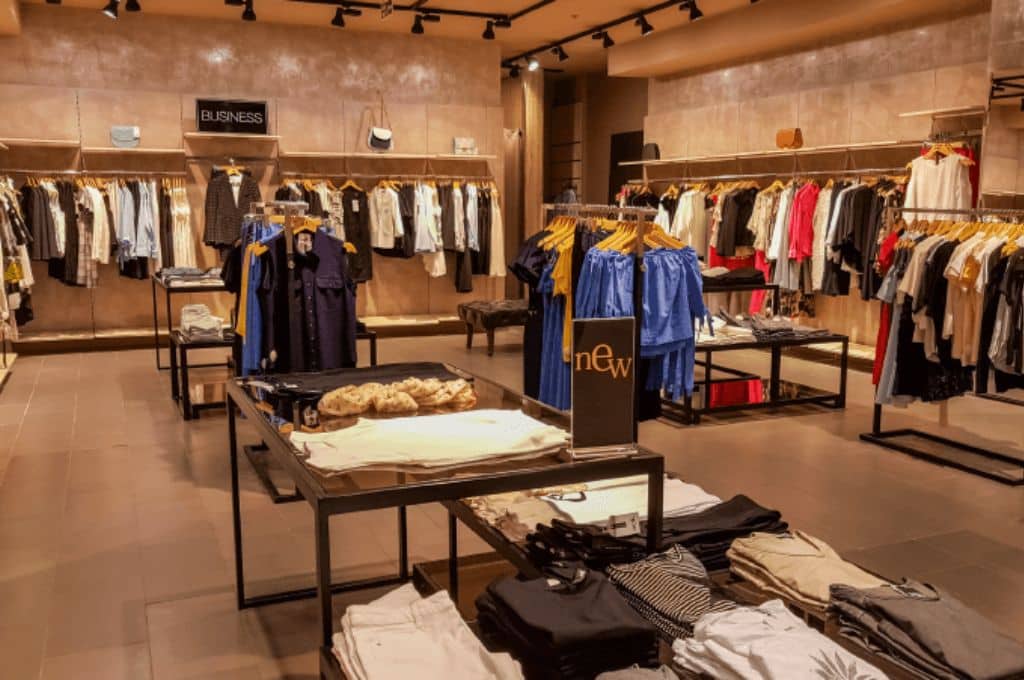
Building a Safe Shopping Environment
Preventing theft is not only about catching criminals. It is also about creating an environment where stealing becomes difficult. Friendly customer service, clear security signs, and regular employee training all support this goal.
Customers also benefit because safer stores provide a better shopping experience.
Conclusion
Professional shoplifters carefully choose stores that offer the best opportunity for theft. They study employee behavior, product placement, and security measures before acting. By understanding these methods, retailers can strengthen their security, reduce losses, and create safer stores for both employees and customers. Prevention is always more effective than dealing with theft after it happens.