
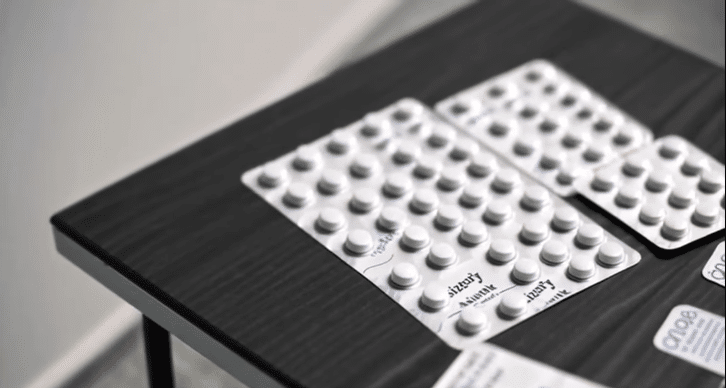
Stress Is No Longer a Small Problem
Stress has quietly become a daily companion for many people in Switzerland. It shows up at work, on the road, at home, and even during moments that are supposed to feel calm. Tight schedules, constant notifications, and pressure to perform keep the nervous system switched on for too long. Health experts across Switzerland repeatedly highlight one key message: stress is not just a feeling. It is a physical process that affects the entire body.

What Happens Inside the Body Under Stress
When the body senses stress, it releases a hormone called cortisol. This hormone is useful in short bursts. It helps us stay alert and respond to challenges. The problem starts when stress becomes constant. Chronic stress keeps cortisol levels high for long periods. That puts pressure on the brain and the nervous system, which were never designed to stay in emergency mode all day.
Over time, this can disturb sleep patterns, weaken the immune system, and interfere with digestion. Many people notice they feel tired but restless at the same time. Focus drops. Small problems feel bigger than they are. This is the nervous system asking for recovery, not more effort.

The Nervous System Needs Support
The nervous system works best when there is a balance between activity and rest. Without proper recovery, it stays overloaded. Doctors often stress the importance of sleep, quiet moments, and slowing down the pace of daily life. These are not luxuries. They are basic maintenance for the body.
Chronic stress can also affect emotional balance. Irritability, anxiety, and mental fatigue are common signs that the system is under strain. Ignoring these signals only increases the long-term impact on health.

Magnesium and Glycine in Stress Discussions
Magnesium and glycine are often mentioned when people talk about relaxation and nervous system support. Magnesium plays a role in muscle relaxation and nerve function. Glycine is linked with calming processes in the brain and may support better sleep quality. While they are not instant fixes, they are often part of broader conversations about managing stress more effectively.
Experts usually point out that supplements work best alongside healthy habits. Good sleep, regular breaks, reduced stimulation, and mindful routines create the foundation. Nutrients can support the system, but they cannot replace rest.
Taking Stress Seriously Is a Smart Strategy
Stress management is no longer optional. It is a strategic investment in long-term health. Paying attention to early signs, protecting sleep, and giving the nervous system time to reset can prevent bigger problems later. The key takeaway is simple. Stress should be acknowledged, not ignored. The body keeps score, even when the mind tries to push through.